Lakeshore Bone & Joint Institute’s Advanced Back Care
At Lakeshore Bone & Joint Institute, we treat a variety of conditions affecting the back and spine. If you’re experiencing pain and discomfort that is limiting your daily quality of life, the orthopedic surgeons at LBJI have the experience, knowledge, and expertise to diagnose and treat back injuries and conditions.
Lakeshore Bone & Joint Institute’s Advanced Back Care
At Lakeshore Bone & Joint Institute, we treat a variety of conditions affecting the back and spine. If you’re experiencing pain and discomfort that is limiting your daily quality of life, the orthopedic surgeons at LBJI have the experience, knowledge, and expertise to diagnose and treat back injuries and conditions.
Treatment options for back conditions vary depending on the specific condition. They can range from conservative approaches such as physical therapy, medication, and injections to advanced surgical procedures when necessary.Back and spine conditions can affect the vertebrae, discs, nerves, and surrounding muscles.
At LBJI, we diagnose and treat the following spine conditions:
Herniated Discs
Degenerative Disc Disease
Spinal Stenosis
Sciatica
Scoliosis
Kyphosis
Compression Fractures
Arthritis
Pinched Nerves
Spondylolisthesis
Spine Injuries and Trauma
Epidural Steroid Injections
Minimally Invasive Spine Surgery
Discectomy
Laminectomy
Spinal Fusion
Vertebroplasty and Kyphoplasty
Spinal Decompression Procedures
Herniated Discs
Degenerative Disc Disease
Spinal Stenosis
Sciatica
Scoliosis
Kyphosis
Compression Fractures
Arthritis
Pinched Nerves
Spondylolisthesis
Spine Injuries and Trauma
Epidural Steroid Injections
Minimally Invasive Spine Surgery
Discectomy
Laminectomy
Spinal Fusion
Vertebroplasty and Kyphoplasty
Spinal Decompression Procedures
Your Questions Answered
Back Pain Treatment Q&A
What is causing my back or neck pain?
Back and neck pain can be caused by herniated discs, arthritis, spinal stenosis, muscle strain, or nerve compression. A thorough evaluation, including a physical exam and imaging when needed, helps determine the exact cause.
What are other symptoms of spine conditions in addition to pain?
In addition to pain, spine conditions may cause stiffness, reduced range of motion, or nerve-related symptoms such as numbness, tingling, or weakness in the arms or legs. Some patients experience radiating pain, such as sciatica, which travels down the leg. Symptoms may worsen with movement, prolonged sitting, or standing.
How is back pain treated at LBJI?
Treatment depends on the cause and severity of your condition. Many patients improve with non-surgical care such as physical therapy, medications, or injections. When conservative treatments are not effective, minimally invasive or reconstructive spine surgery may be recommended.
What happens during minimally invasive spine surgery?
Minimally invasive spine surgery uses small incisions and specialized instruments to treat conditions affecting the discs, nerves, or vertebrae. Procedures may include removing part of a herniated disc, relieving pressure on nerves, or stabilizing the spine. This approach is designed to reduce pain, limit tissue disruption, and support a faster recovery.
What is spinal fusion?
Spinal fusion is a surgical procedure that permanently connects two or more vertebrae to stabilize the spine and reduce pain caused by movement. It is commonly recommended for conditions such as degenerative disc disease, spinal instability, or severe arthritis when other treatments have not provided relief. The goal is to improve stability and function while reducing pain.
Back Pain
What is causing my back or neck pain?
Back and neck pain can be caused by herniated discs, arthritis, spinal stenosis, muscle strain, or nerve compression. A thorough evaluation, including a physical exam and imaging when needed, helps determine the exact cause.
Related Symptoms
What are other symptoms of spine conditions in addition to pain?
In addition to pain, spine conditions may cause stiffness, reduced range of motion, or nerve-related symptoms such as numbness, tingling, or weakness in the arms or legs. Some patients experience radiating pain, such as sciatica, which travels down the leg. Symptoms may worsen with movement, prolonged sitting, or standing.
Treatment at LBJI
How is back pain treated at LBJI?
Treatment depends on the cause and severity of your condition. Many patients improve with non-surgical care such as physical therapy, medications, or injections. When conservative treatments are not effective, minimally invasive or reconstructive spine surgery may be recommended.
Spine Surgery
What happens during minimally invasive spine surgery?
Minimally invasive spine surgery uses small incisions and specialized instruments to treat conditions affecting the discs, nerves, or vertebrae. Procedures may include removing part of a herniated disc, relieving pressure on nerves, or stabilizing the spine. This approach is designed to reduce pain, limit tissue disruption, and support a faster recovery.
Spinal Fusion
What is spinal fusion?
Spinal fusion is a surgical procedure that permanently connects two or more vertebrae to stabilize the spine and reduce pain caused by movement. It is commonly recommended for conditions such as degenerative disc disease, spinal instability, or severe arthritis when other treatments have not provided relief. The goal is to improve stability and function while reducing pain.
Orthopedic Specialists You Can Trust
From diagnosis through recovery, our board-certified specialists provide advanced orthopedic care designed to relieve pain, restore function, and help you move with confidence.
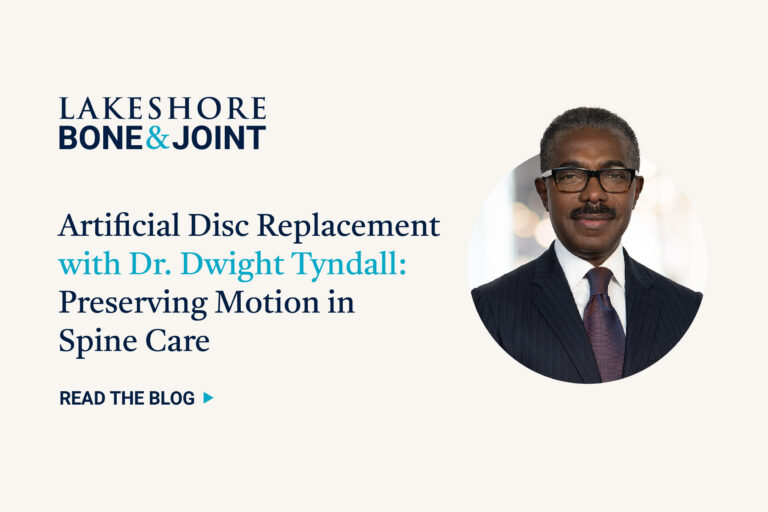
Back or neck pain can make it difficult to sit through a workday, turn your head comfortably, or stay active. When surgery becomes part of the conversation,...
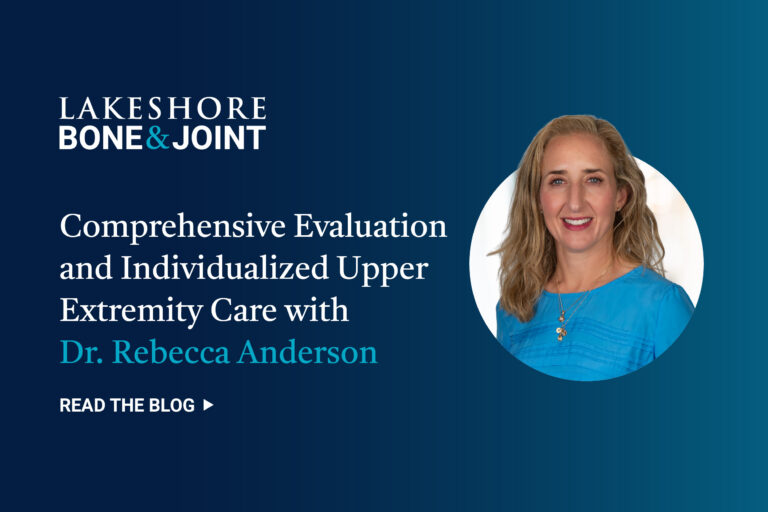
Conditions affecting the shoulder, elbow, wrist, and hand rarely exist in a vacuum. The shoulder, elbow, wrist, and hand work as an interconnected system,...
Back or neck pain can make it difficult to sit through a workday, turn your head comfortably, or stay active. When surgery becomes part of the conversation,...
Conditions affecting the shoulder, elbow, wrist, and hand rarely exist in a vacuum. The shoulder, elbow, wrist, and hand work as an interconnected system,...
 Neck & Back Pain Specialists